While both peptides aim to enhance cognitive function, their biochemical pathways and primary effects differ
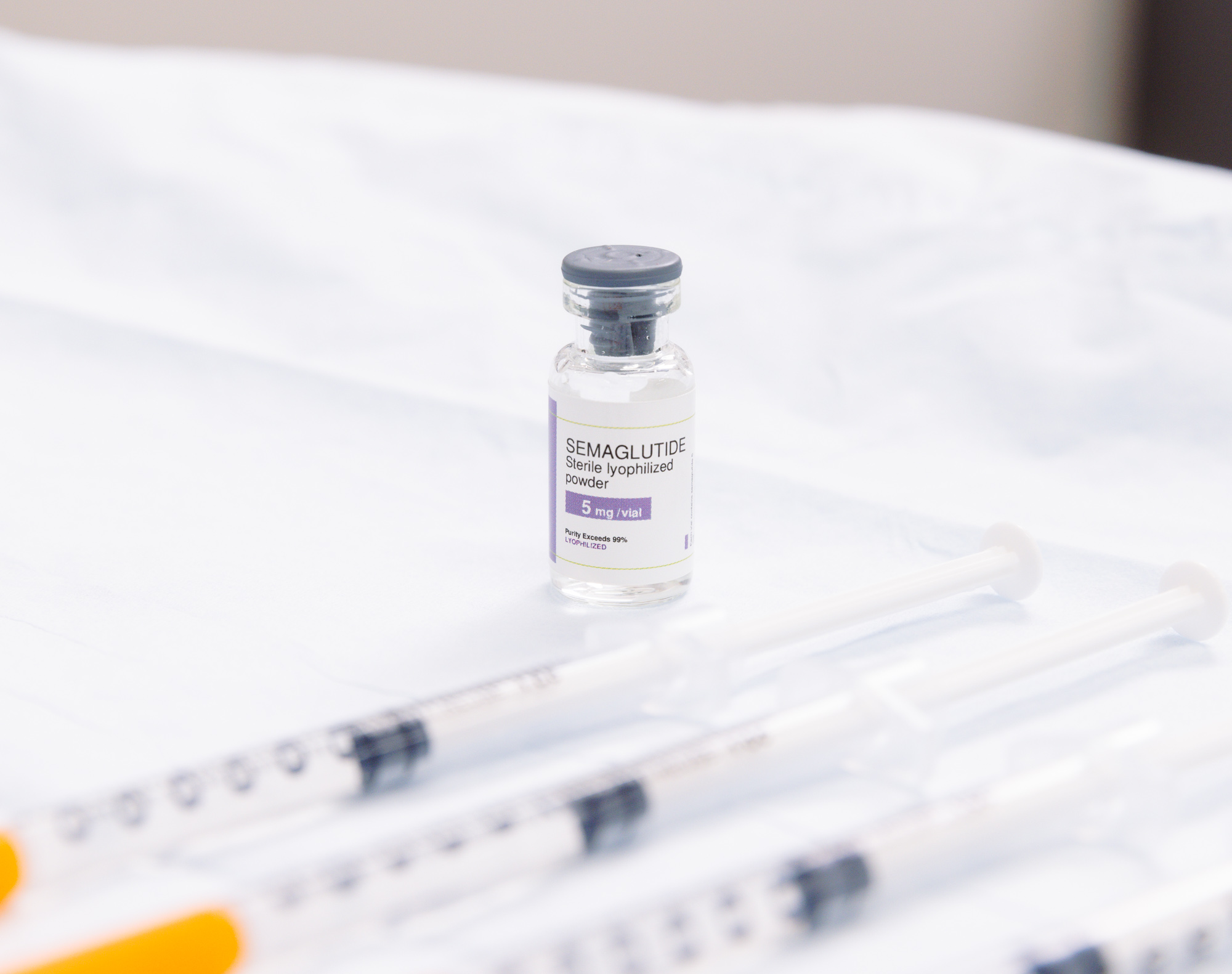
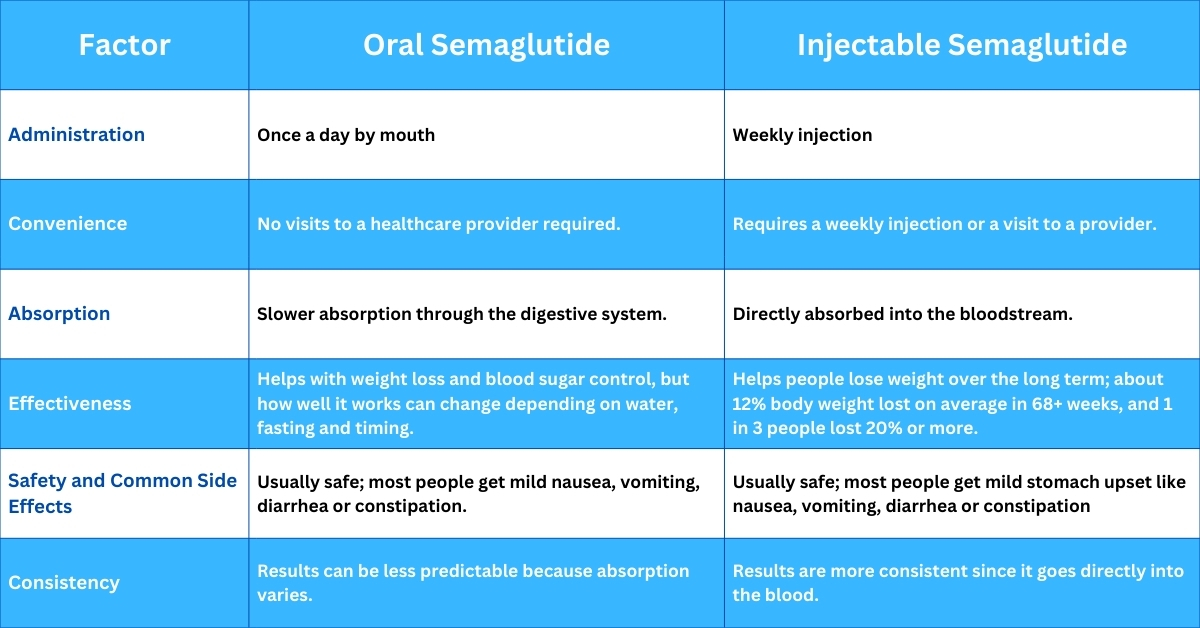
These medications, primarily used to manage type 2 diabetes and obesity, work by mimicking the hormone GLP1 to increase insulin secretion and reduce glucagon release, effectively lowering blood sugar levels
But the additive benefit of combining them remains theoretical
Based on typical FDA review timelines and the current progress of trials, analysts project: Phase 3 trial completion: Late 2025 to early 2026 FDA submission: First half of 2026 Potential FDA approval: Q3 2026 to Q1 2027 Commercial availability: 2-3 months post-approval The FDA has not granted any special designations (Breakthrough Therapy, Fast Track) for Retatrutides obesity indication, which may mean standard review timelines apply
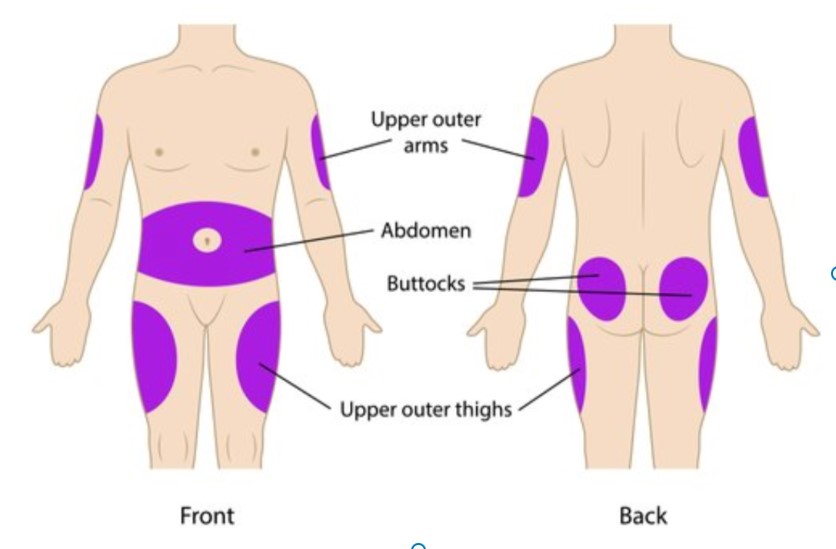
Clean the site with an alcohol swab
The toxic effects of AFB1 arise through its enzymatic activation by cytochromes P450 to form highly reactive AFB1-8,9-epoxides