The FDAs Pharmacy Compounding Advisory Committee (PCAC) will review seven peptides to potentially allow compounders to produce them
CareFirst Specialty Pharmacy Known For: Specialty-focused compounding pharmacy with dedicated sterile compounding division for peptides and injectables Key Strengths: Dedicated sterile compounding division with separate cleanroom environments Emerging semaglutide program with initial focus on quality and safety over volume Strong relationships with endocrinology and bariatric medicine practices Patient counseling services included with every GLP-1 prescription Notable: CareFirst's specialty pharmacy background means they bring hospital-grade sterile compounding standards to their GLP-1 products
Holst JJ, Physiol Rev 87:1409-39, 2007 Drucker FJ, Cell Metab 135-165, 2006 INSULIN SECRETION PKA IC Ca++ MOLECULAR ACTIONS OF GLP-1 ON BETA CELL Insulin Secretion cAMP Epac2 PI-3K INSULIN GENE TRANSCRIPTION Pdx-1 replenishes beta cell insulin stores prevents beta cell exhaustion BETA CELL GLUCOSE SENSITIVITY increased GLUT2 and Glucokinase restores glucose responsitivity to resistant beta cells INSULIN RESPONSES TO PHYSIOLOGICALAND PHARMACOLOGICAL LEVELS OF GLP-1 Pharmacological GLP-1 levels2(15 mM hyperglycemic clamp) Physiological GLP-1 levels1(15 mM hyperglycemic clamp) 6000 6000 GLP-1 infusion-0.5 pmol/kg/min GLP-1 infusion-1.0 pmol/kg/min Plasma GLP-1: 46 pM Healthy controls 4000 4000 Insulin (pmol/L) Insulin (pmol/L) Plasma GLP-1:126 pmol/L Type 2 diabetes 2000 2000 Plasma GLP-1:41 pM Type 2 diabetes 0 0 0 60 120 0 60 120 Time (min) Time (min) 1
Not everyone needs glutathione supplementation
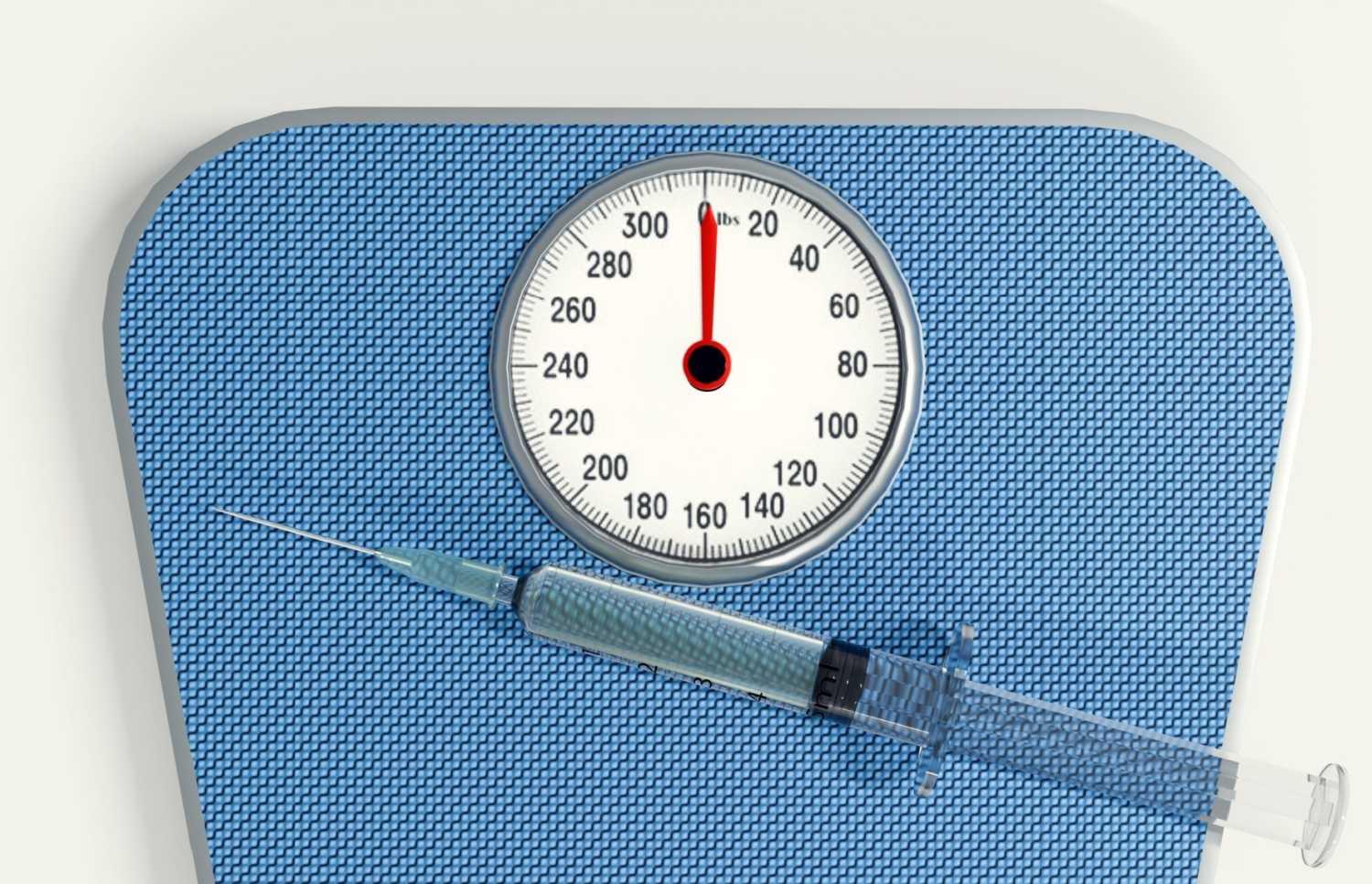
For weight management , if a GLP-1 agonist was prescribed primarily for obesity, alternatives include: Orlistat , a lipase inhibitor that reduces fat absorption Structured lifestyle interventions including dietary modification, increased physical activity, and behavioural therapy Bariatric surgery for patients meeting NICE criteria (typically BMI 40 kg/m or 35 kg/m with obesity-related conditions) [2] Next steps following an allergic reaction should include: Documentation of the allergy in medical records and prescription systems Provision of written information about the reaction for the patient Discussion of alternative treatment options tailored to individual clinical needs Regular follow-up to monitor diabetes control and adjust therapy as needed Consideration of referral to specialist services (endocrinology, allergy, or weight management) where appropriate Reporting the suspected adverse reaction to the MHRA via the Yellow Card Scheme (yellowcard.mhra.gov.uk) Patients should be reassured that effective alternatives exist and that an allergic reaction to one medication does not preclude successful management of their condition with other therapies

Food sits in your stomach longer, which is one mechanism behind the appetite suppression